
Choosing new flooring can feel overwhelming, especially when options like LVT, vinyl, and laminate all look similar at first glance. While they may appear alike on the surface, each material has a very different structure, feel, performance level, and ideal use.
Here at Greenmount Carpets in Camborne, we help homeowners every day understand these differences so they can choose flooring that truly suits their home and lifestyle.
This guide breaks down LVT, vinyl, and laminate in simple terms, helping you make a confident decision for your next flooring project.
What is LVT flooring?
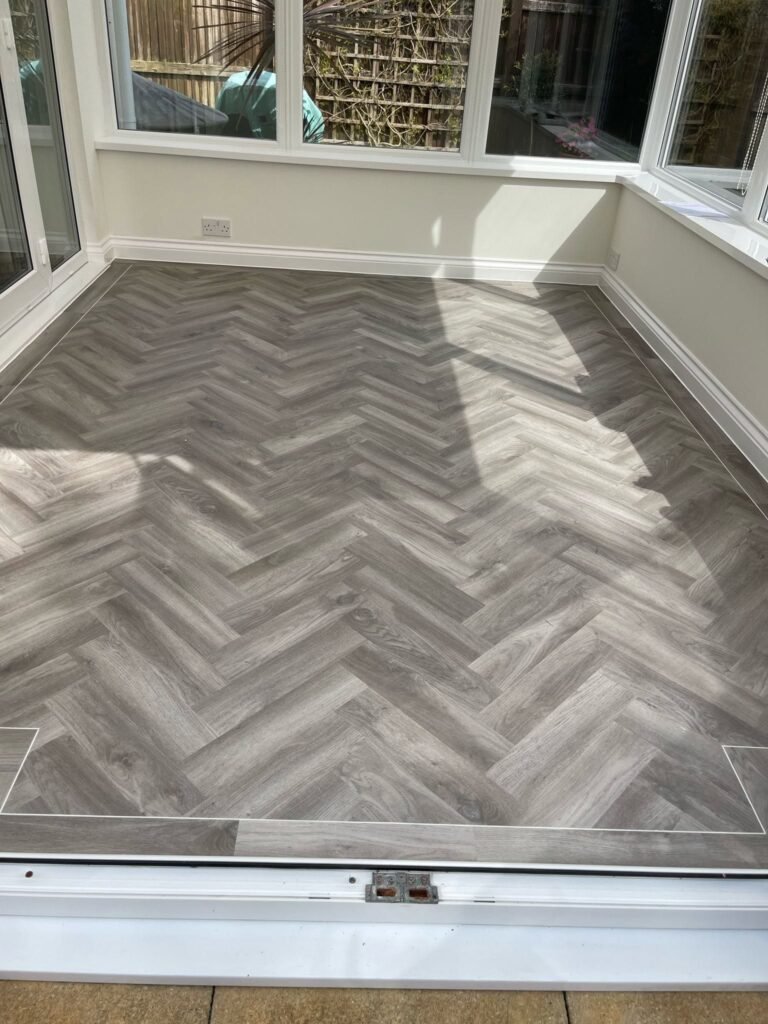
LVT stands for Luxury Vinyl Tile. It is a modern, high-performance vinyl-based flooring designed to replicate natural materials such as wood or stone while offering excellent durability and comfort.
One of the key advantages of LVT is how it feels underfoot. It is generally warmer, softer, and quieter than harder flooring types, making it ideal for busy households.
LVT is also extremely versatile in design. At Greenmount Carpets, customers can choose from a wide range of styles including plank, tile, herringbone, and basket weave effects.
Installation methods
LVT typically comes in two installation types:
- Glue down
- Click system
Glue down LVT is often considered the most stable and long-lasting option, particularly for heavy domestic use.
Subfloor requirements
LVT generally requires a very smooth and level subfloor. Because it is thinner than laminate, any imperfections underneath can lead to issues such as lifting, cracking, or premature wear over time. Proper preparation is essential for a high-quality finish.
What is laminate flooring?
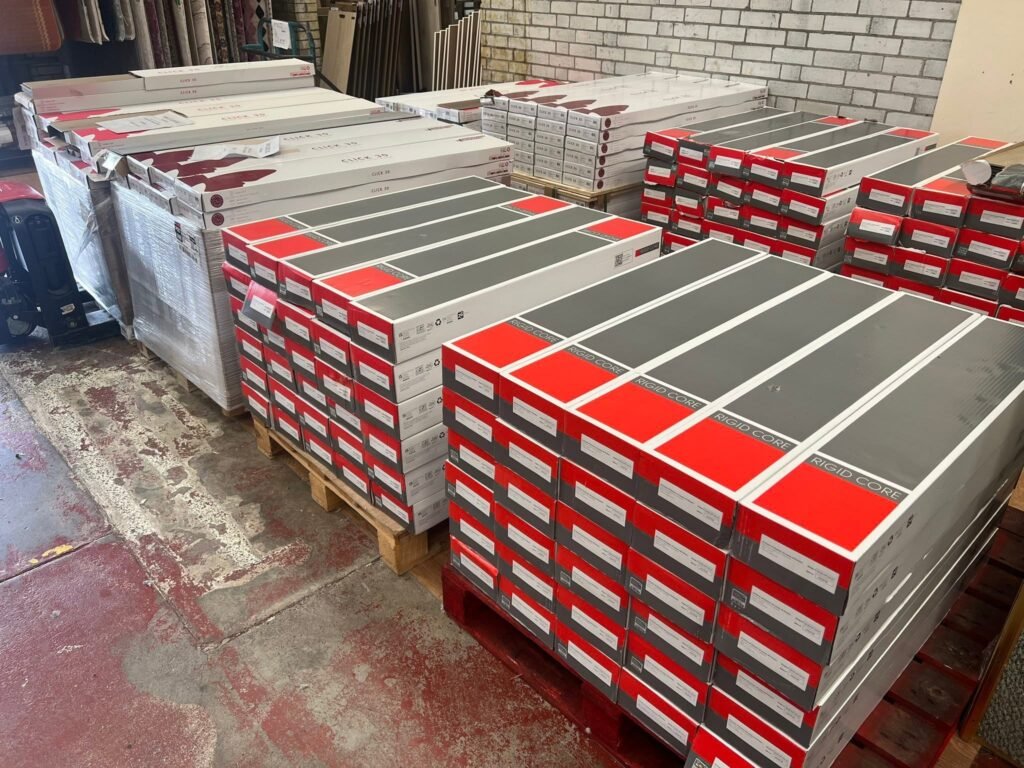
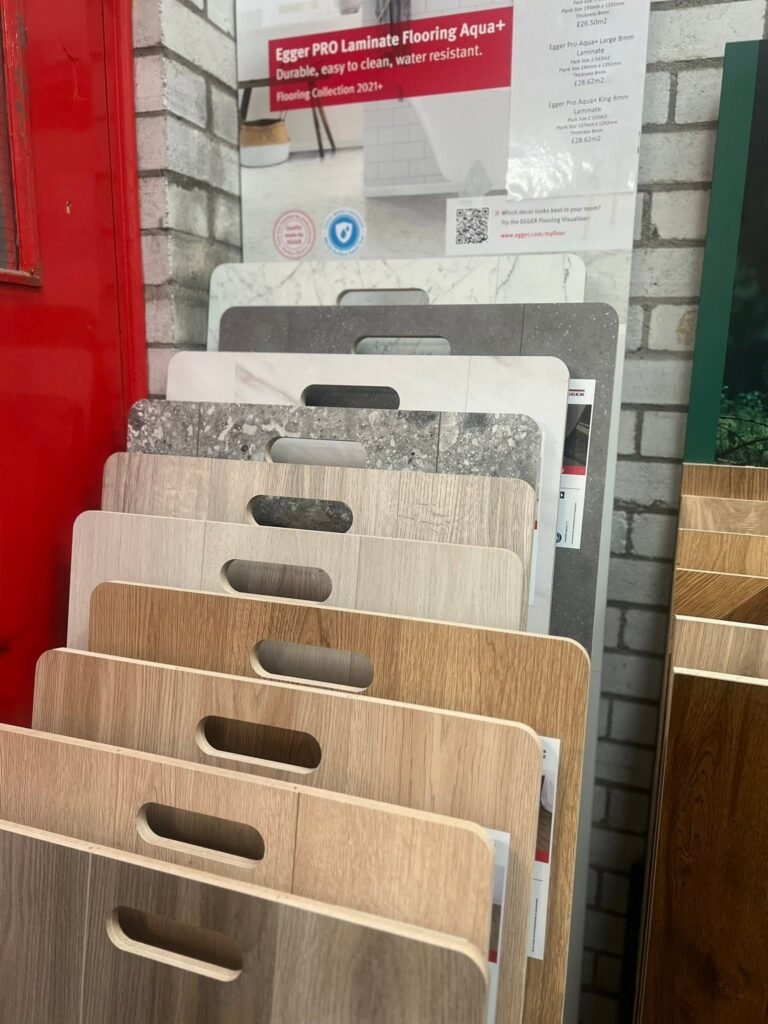
Laminate flooring is a wood-based product made from high density fibreboard (HDF) with a protective plastic top layer. It is designed to replicate the appearance of real wood at a more affordable price point.
Unlike LVT, laminate has a firmer and more rigid feel underfoot. It can also produce a slightly louder sound when walked on, although this can be improved with the correct underlay.
Installation method
Laminate flooring is always installed using a click system, where planks lock together without the need for glue.
Underlay requirements
Laminate always requires an underlay. This provides:
- Cushioning underfoot
- Sound reduction
- Moisture protection
- Improved comfort and stability
Subfloor flexibility
One advantage of laminate is that it can be more forgiving on slightly uneven subfloors compared to LVT. There is also a wider choice of underlay options, allowing for better adjustment in certain installations.
However, laminate is not suitable for areas exposed to moisture. Because it contains wood-based materials, it can absorb water and may swell if exposed to damp conditions for too long.
What is vinyl flooring?
Thanks to modern manufacturing techniques and advanced 3D imaging, today’s vinyl offers realistic designs and strong durability, making it a popular and cost-effective flooring choice.
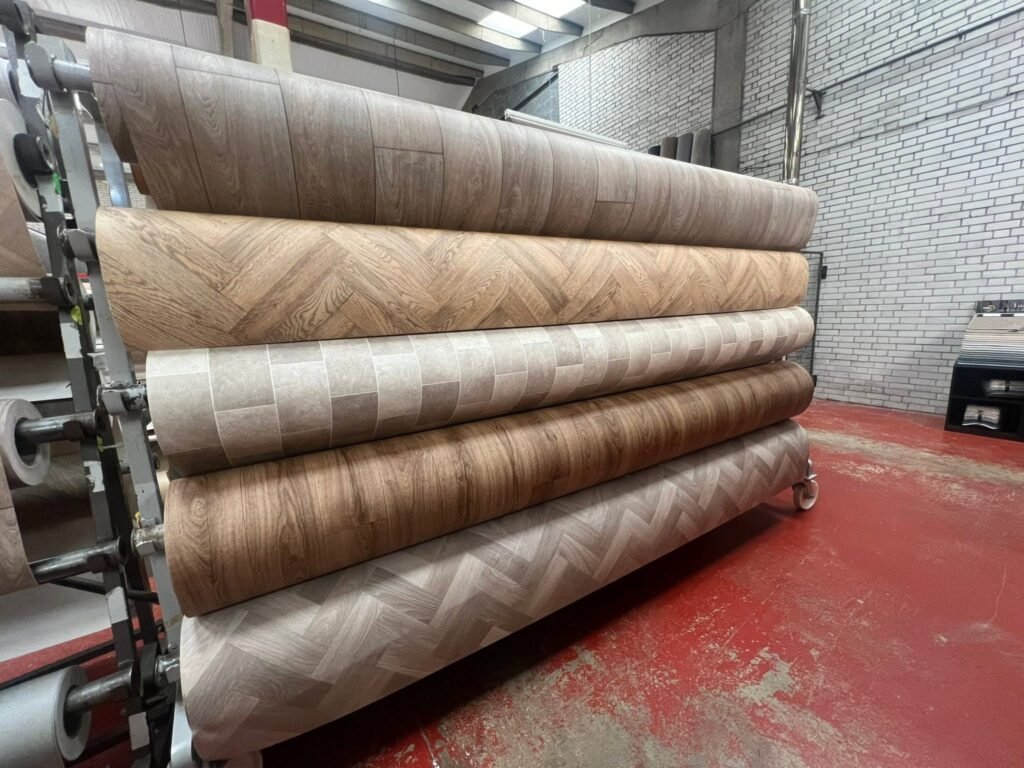
Unlike LVT, vinyl typically comes on a roll rather than in tiles or planks. Despite this, it still offers a wide range of design options including wood effects, stone looks, geometric patterns, and simple plain finishes.
Vinyl can also include cushioning layers underneath, improving comfort and making it suitable for many areas of the home.
Vinyl widths available
At Greenmount Carpets, we stock vinyl in three different widths:
- 2 metre
- 3 metre
- 4 metre
This variety makes it easier to cover both large open spaces and smaller rooms such as bathrooms and utility areas with minimal joins.
Vinyl is known for being quick to install and highly cost effective, making it a practical solution for many homeowners.
LVT vs Vinyl vs Laminate: Key Differences
Although these flooring types can look similar once installed, their construction and performance differ significantly.
Water resistance
- LVT: Fully waterproof and suitable for kitchens and bathrooms
- Vinyl: Water resistant and suitable for most domestic areas
- Laminate: Not suitable for wet rooms due to its wood-based core
Comfort and sound
- LVT: Soft, warm, and quiet underfoot
- Vinyl: Comfortable with optional cushioning
- Laminate: Harder and slightly noisier without underlay
Installation
- LVT: Glue down or click system
- Vinyl: Laid in sheet form and cut to size
- Laminate: Click system only
Subfloor requirements
- LVT: Requires a very smooth, even base
- Vinyl: More forgiving due to flexible sheet format
- Laminate: More tolerant with suitable underlay
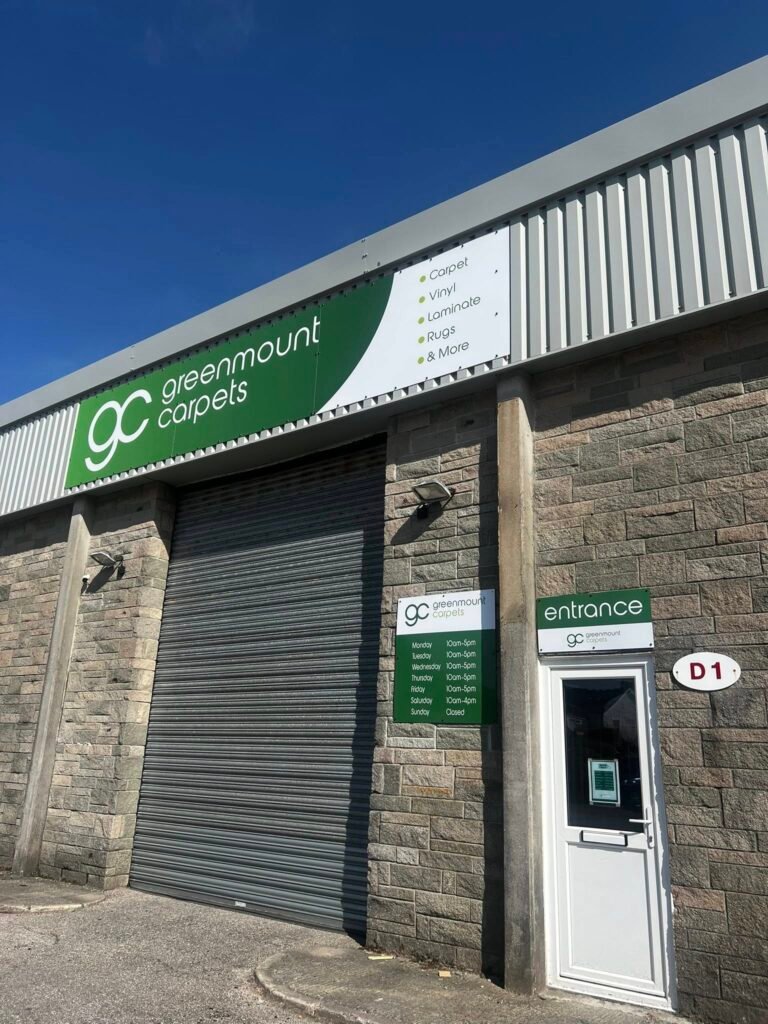
Visit Greenmount Carpets in Cornwall
Understanding the difference between LVT, vinyl, and laminate helps you choose flooring that not only looks good but performs well in your home long term. Seeing and feeling the materials in person helps you understand texture, colour, and quality far better than images alone.
At Greenmount Carpets, we offer:
- A 13,000 sq. ft. newly refreshed showroom
- Extensive ranges of carpets, rugs, mats, laminate, vinyl, and LVT
- One of the largest selections of flooring remnants in Cornwall
- A wide range of pattern books for additional choice if in-stock items are not suitable
We are located at Formal Business Park, just off the A30 in Camborne, making us easily accessible from across Cornwall.
If you need expert advice or want to explore the full range in person, Greenmount Carpets is here to help you every step of the way.
Visit our showroom today or get in touch with our team to find the perfect flooring for your home.